Updated for 2026 based on real client feedback and how people are actually searching today.
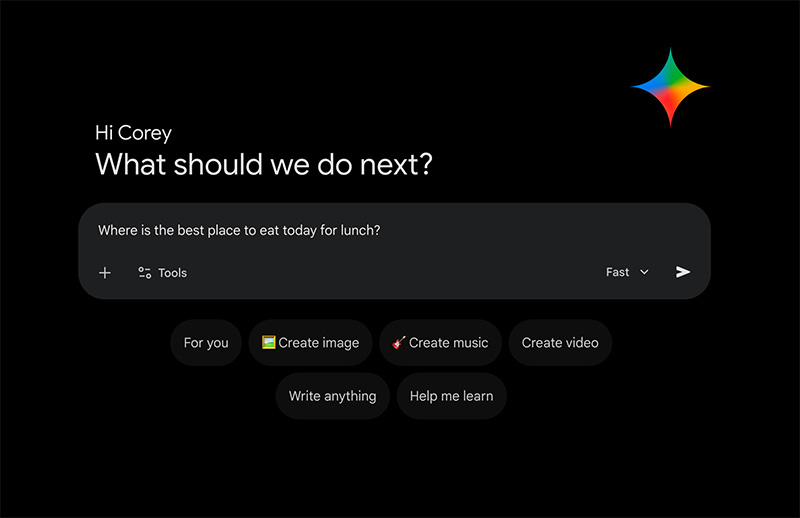
I’ve had a couple clients tell me recently that they found me through AI tools like ChatGPT and Perplexity.
Not through Google search results. Not by clicking through a bunch of websites.
They asked a question, got an answer, and my name came up.
That’s a shift worth paying attention to.
For years, the goal was simple: show up in search, get the click, and let your website do the rest. That still matters. But now more people are getting answers directly inside AI tools before they ever visit a website.
This doesn’t replace SEO. It changes how people discover businesses.
What AI Search Optimization Really Means
You’ll hear terms like AI Search Optimization or zero-click search.
In plain English, it means this:
Your website needs to be clear, useful, and structured well enough that AI tools can understand it and use it when answering questions.
If someone asks:
- “Who is a good web designer in Minneapolis?”
- “How much does a small business website cost?”
- “What should I look for in a WordPress designer?”
You want your business to be part of that answer.
That usually comes from strong content, clear structure, and real credibility built over time.
Why This Matters for Small Businesses
Most small businesses are still focused only on traditional SEO. That’s still important, but it’s no longer the full picture.
AI tools tend to be used for more detailed, conversational searches. That often means the person asking the question is closer to making a decision.
Instead of typing something like “web designer Minneapolis,” they might ask:
“Who’s a good Minneapolis web designer for a small business that wants a professional site and local SEO help?”
That’s a very different kind of search, and usually a more valuable one.
This is why I still focus heavily on strong local SEO structure and clear service pages that actually answer questions.
What Actually Helps You Get Found
This is where most articles get too complicated. It’s simpler than people make it.
1. Answer real questions clearly
If someone wants to know what a website costs or what’s included, your site should answer that directly.
That’s the idea behind pages like website pricing and clearly defined WordPress web design services.
Clear answers first. Details after.
2. Write the way people actually talk
People don’t search like robots anymore. They ask full questions and explain their situation.
Your content should sound natural and helpful, not keyword-heavy or repetitive.
3. Show real experience
AI can summarize generic content all day. What stands out is real experience.
Case studies, real projects, and local knowledge all help build trust and visibility.
This is where a strong case studies page makes a difference.
4. Keep your website organized
Structure still matters.
- Clear headings
- Logical page structure
- Smart internal linking
- Proper SEO setup
This is also where ongoing updates come in, which is part of why WordPress maintenance is important long term.
How I Approach This
I don’t treat this as a separate “AI strategy.” It’s just part of building a better website.
- Clear service pages
- Content that answers real questions
- Strong internal linking
- Local relevance where it matters
- Real examples and proof
- Clean technical structure
That helps with search, AI tools, and actual conversions.
Where Businesses Get This Wrong
The biggest mistake is thinking this requires something completely new.
Most of the time, it just requires doing the basics better:
- Clearer messaging
- Less filler content
- Better examples
- Stronger internal linking
- Cleaner structure
The other mistake is overcomplicating it with jargon.
This isn’t about gaming AI. It’s about being easier to understand and more useful.
Final Thought
This isn’t replacing SEO. It’s building on top of it.
If your website is clear, helpful, and structured well, it can show up in both traditional search and AI-driven results.
If it’s not, you’ll start to feel that gap.
If you’re rethinking your site or your content, this is the direction things are moving.
Start a conversation about your website →
FAQs About AI Search and SEO
No. Traditional SEO still matters. Google is still important, and rankings still drive traffic. AI tools are just becoming another layer in how people research before they click.
A zero-click search is when someone gets their answer directly in search results or an AI tool without visiting a website. That’s why clear, structured content matters more now.
Usually by doing the basics well. Clear service pages, useful content, real examples, and strong site structure all help. It’s less about hacks and more about being genuinely helpful.
Not always. Many sites just need better structure, clearer messaging, and stronger content. In some cases, a redesign makes sense if the foundation is outdated.
Content that answers real questions, explains services clearly, and shows real experience tends to perform better than generic or overly optimized content.
